When “Holy Experiences” Start to Replace the Holy Spirit
Every so often within a Catholic group, a new tone begins to creep in — not loudly, not maliciously, but softly, like a shift in the wind. Someone begins sharing “holy experiences,” dramatic moments of the Spirit supposedly moving at retreats, conferences, or in prayer. At first it sounds harmless. Sometimes it even sounds inspiring.
But then something begins to feel off.

When Signs Become Substitutes: A Catholic Battle Plan Against Spiritual Deception
Today, people talk about “finding feathers,” “seeing signs,” “receiving messages,” or “the universe sending signals.” But Catholic teaching — and the saints who fought real spiritual battles — warn us that these curiosities can become traps.
When Zeal Isn’t Holiness: Discerning True Catholic Renewal in a Noisy Culture
Over the past few years, American culture has shifted in a strange way. I keep noticing people — especially far-right voices, influencers, and commentators — suddenly talking about Catholic devotions like the Holy Face, Fatima, the Rosary, or “end times.” Some of it feels sincere… but some of it feels off.
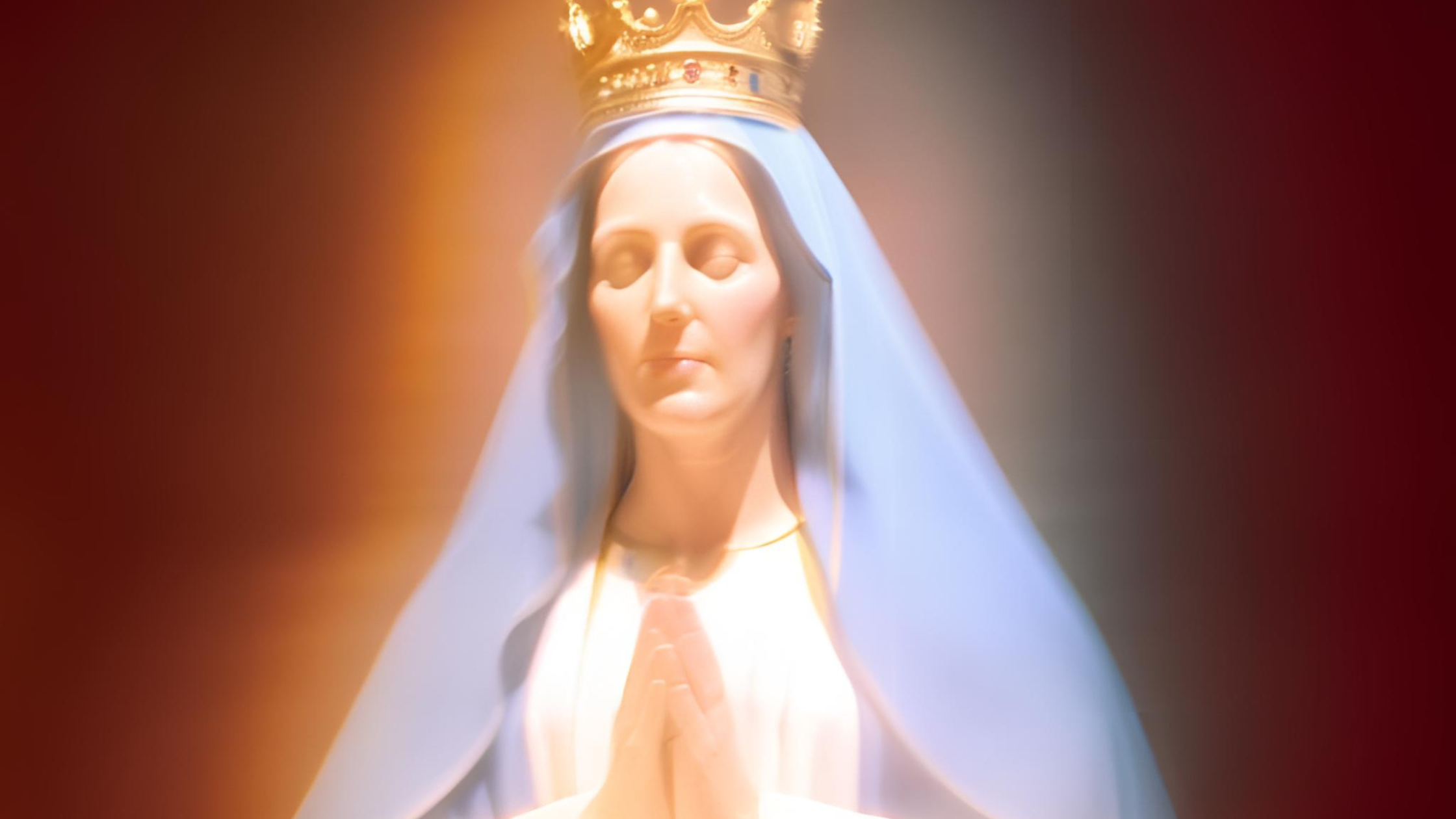
“My Dove, My Perfect One”: How Canticle of Canticles 6:9 Reveals the Beauty of Mary
There is a moment in Scripture where poetry rises so high that it seems to touch heaven. A line so tender, so exalted, that the Church has always heard in it the echo of a woman unlike any other:
“One is my dove, my perfect one is but one,
She is the only one of her mother;
The daughters saw her and declared her blessed.”
— Canticle of Canticles 6:9
On the surface, the Song of Songs is a love poem between bridegroom and bride. But in the Catholic heart, guided by the saints and the liturgy, this verse unfolds into a luminous portrait of Mary, the Mother of God, the Mother of the Church, and the masterpiece of God’s love.
When the Spirit Moves Fast: Discernment, Peace, and the Quiet Strength of the Church
Last night in our study group, something happened that reminded me how important it is to anchor ourselves in the Church when things get spiritually intense.
A young woman came in late, breathless from a nearby worship service, full of emotion, full of questions. She had recently felt what she believed were strong movements of the Holy Spirit. People had prayed prophetic words over her. She spoke quickly about visions, diamonds, denominations, and how God “can’t be boxed in.” Underneath her excitement, I could also hear confusion. A kind of spiritual whirlwind.
Then she shared something that shifted the whole room:
She used to read tarot.
She said this felt different now.
She knew—she thought—it was all from God.

Know Your Shepherds: Discernment in an Age of Spiritual Noise
There are seasons in the Church when strange teachings start catching fire among the faithful — not because people are gullible, but because the world feels chaotic and Catholics desperately want clarity, certainty, and a sense of meaning. That’s why teachers who speak confidently about private revelations, timelines, hidden knowledge, or cosmic secrets can gain traction fast.
I know this firsthand.
The Fathers, the Catechism, and the Interpretation of Revelation 20
The Catechism only treats Revelation’s millennial imagery in one key place:
CCC 676, which condemns all forms of millenarianism, especially teachings of a future earthly kingdom before the final judgment.
Key point: The Church rejects any literal, political, or earthly “era of peace” before Christ’s final coming.
The reason is that Christ’s Kingdom is already inaugurated through His Resurrection and is made present in the Church.