Redemptive Suffering — Becoming a Witness in the Trial
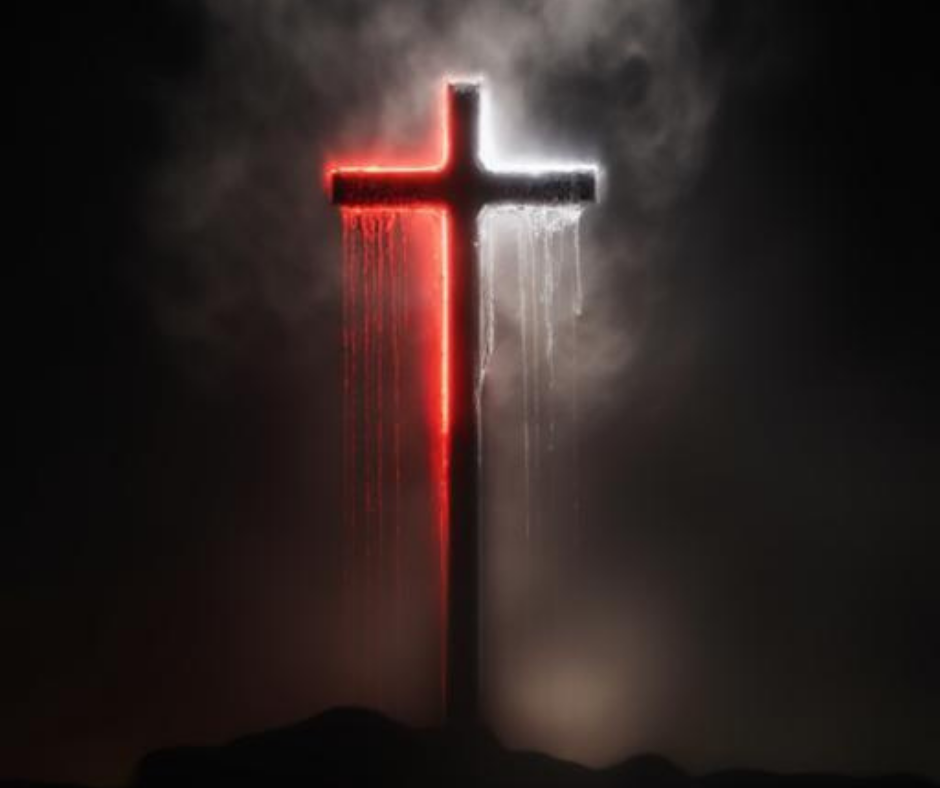
There are seasons in the spiritual life when suffering stops feeling random and begins to feel revealing. Not just revealing of our own limits, but revealing of hearts — ours and others’. In those moments, a hard question emerges:
Is there meaning in enduring suffering faithfully when the world turns away?
The Christian answer is not sentimental. It is demanding — and hopeful.
Suffering as Witness, Not Spectacle
In the Gospel, Jesus does not describe judgment primarily in terms of grand sins or public scandals, but in quiet refusals of love:
“I was hungry and you gave me no food. I was thirsty and you gave me no drink.”
What condemns is not ignorance, but indifference. Not weakness, but refusal.
When a person endures poverty, humiliation, loneliness, or injustice without abandoning God, that life becomes a witness. Not by accusation, but by contrast. The faithful sufferer reveals what love looks like — and by that same light, what love is not.
This is not about self-importance. It is about truth.
The Meaning of “Witness”
The word martyr means witness.
Not all witnesses die violently. Many live slowly — misunderstood, unsupported, mocked, or unseen.
To remain faithful while being overlooked…
To continue loving while being spoken against…
To refuse bitterness while being deprived…
This is a form of testimony. It says to the world: God is worthy — even here.
Tears Are Not Failure
Christ wept. The saints wept. Scripture honors tears as prayer.
Crying in suffering does not mean doubt. It often means the opposite: the heart has not hardened. The soul is still alive to God, still sensitive to injustice, still longing for truth.
These tears are not wasted. They become intercession — not just for oneself, but for others who refuse mercy, often without realizing what they’ve done.
Redemptive Suffering Is Not Chosen — It Is Accepted
Redemptive suffering is not seeking pain or imagining oneself as a victim.
It is accepting unavoidable trials without surrendering love.
When suffering is united to Christ, it does something mysterious:
It purifies the heart
It reveals the state of love in others
It gives God a living testimony of faithfulness
This is why endurance matters. Not because it proves strength — but because it proves trust.
A Quiet Truth for the Faithful
On the last day, everything will be revealed — not to shame, but to clarify. Love will be seen clearly. Refusals will be named honestly. And those who remained faithful in small, hidden ways will be known.
Until then, the Christian does not demand justice now.
He witnesses to mercy now — even at personal cost.
A Simple Prayer for This Week
Lord Jesus,
I do not understand all You permit,
but I trust You see all that is endured.
Unite my suffering to Yours,
make my tears intercession,
and let my life quietly testify
that love is worth the cost.
Amen.
Wednesday Formation takeaway:
Redemptive suffering is not about being right — it’s about being faithful.
And faithfulness, even when it hurts, is never wasted in God’s economy.
— Saint Joseph Workshop