Reflection — Optional Memorial of Saint John of Damascus, Priest and Doctor of the Church
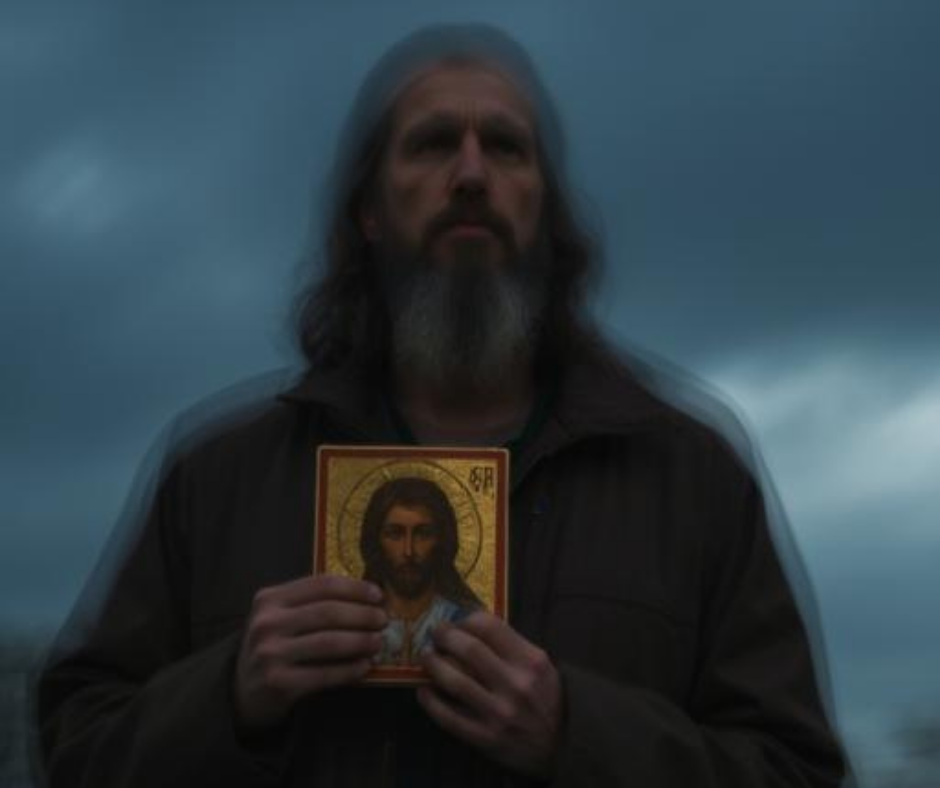
Saint John of Damascus stands at a decisive crossroads in the life of the Church: a time when images were under attack, tradition was questioned, and clarity was desperately needed. He did not respond with noise or outrage. He responded with reason, faith, and courage—a rare combination that still instructs us today.
Living under Muslim rule in the 8th century, John was not protected by imperial favor or ecclesial power. In fact, his defense of sacred images during the Iconoclast Controversy placed him at great personal risk. Yet from his monastery at Mar Saba, he articulated one of the Church’s most important theological truths:
Because the Word became flesh, matter can now mediate grace.
This is the heart of John’s witness. He did not argue that images replace God—but that they proclaim the Incarnation. If God truly entered history, took on a human face, walked the earth, then portraying Him is not idolatry—it is confession.
Faith That Thinks Clearly
Saint John reminds us that faith is not anti-intellectual. He organized centuries of Christian teaching into what would become one of the earliest systematic theologies in Church history. His great work, The Fount of Knowledge, shows a mind disciplined by philosophy yet obedient to Revelation. He did not chase novelty; he safeguarded what had been handed down.
In an age like ours—loud, reactive, emotionally driven—John’s approach is bracing. He teaches us that holiness is not found in zeal without understanding, nor in intellect without humility, but in the integration of truth and worship.
Images, Memory, and Formation
John’s defense of icons was never about aesthetics alone. Icons form the soul. They teach silently. They steady the mind. They remind us who we are and Whom we serve.
This matters for daily Christian life. What we place before our eyes shapes our interior world. Saint John invites us to ask:
What images am I allowing to catechize me?
Do they lift my heart toward God—or fragment it?
Do they anchor me in the Incarnation—or pull me back into abstraction and distraction?
A Quiet Doctor for Noisy Times
Saint John of Damascus did not win by force. He won by fidelity. His teaching was eventually affirmed by the Second Council of Nicaea (787), which upheld the veneration of images—not as a trend, but as a consequence of Christ Himself.
Today, his witness is especially relevant for those trying to live faithfully within the limits they’ve been given—work, family, obscurity, constraint. John shows us that profound impact does not require center stage. It requires clarity, patience, and trust that truth will outlast confusion.
Closing Meditation
Lord Jesus,
You who took on a human face,
teach us to see rightly—
to honor Your presence in the ordinary,
to defend truth without bitterness,
and to hand on the faith whole and unbroken.
Through the intercession of Saint John of Damascus,
form our minds, steady our hearts,
and make our lives living icons of Your Incarnate love.
Amen.