St. Joseph the Worker and the Hidden Offering of Fatherhood
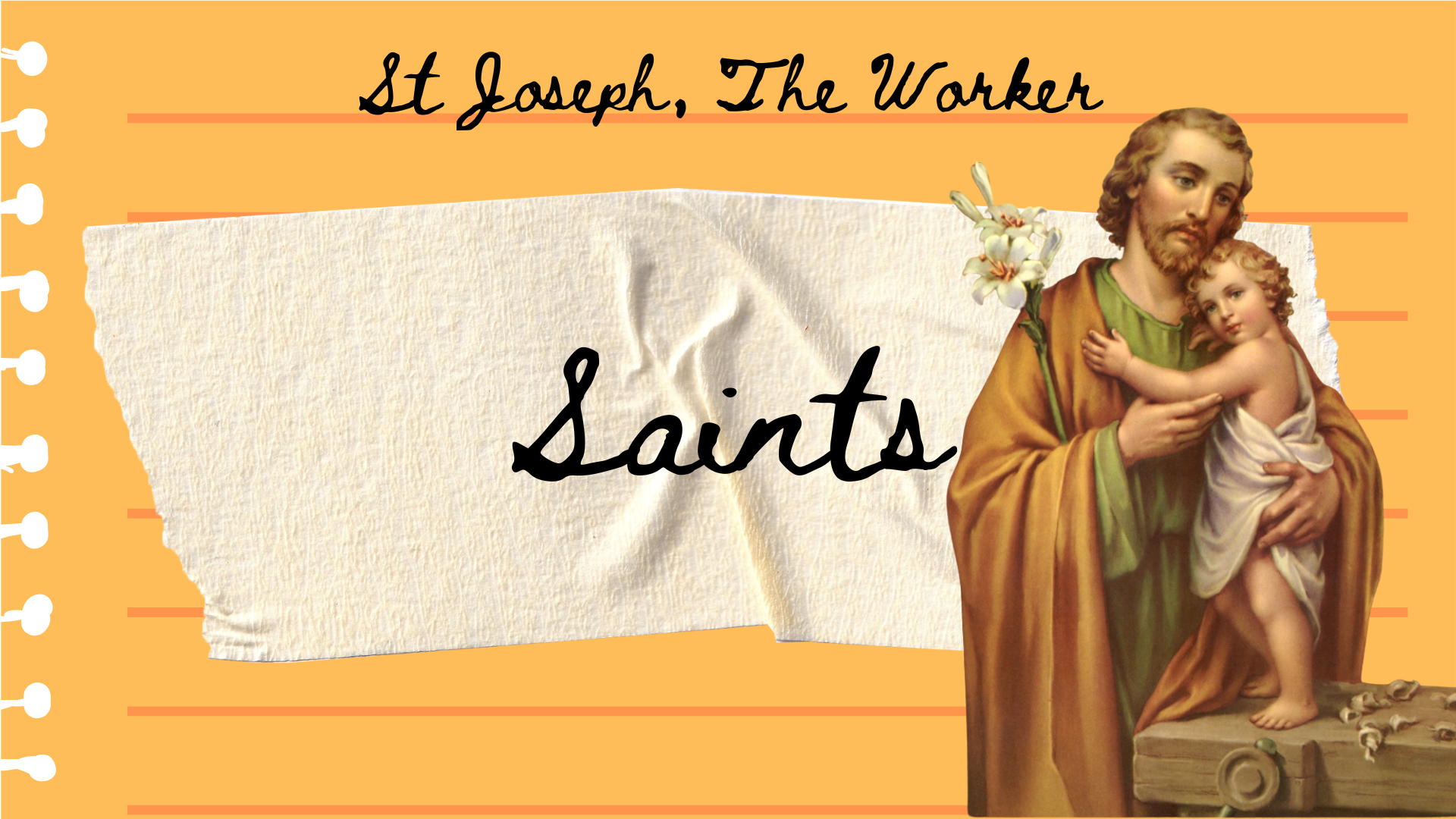
On the feast of Saint Joseph, the Church gives us a man who never preached publicly, never wrote a Gospel, never performed recorded miracles, and never stood in the spotlight.
Yet few saints reveal the shape of real fatherhood more clearly.
St. Joseph lived most of his life in what the world would call “ordinary”:
work
bills
responsibility
protecting his family
daily routines
hidden sacrifices
silence
obedience
And somehow, in that hidden life, he became the guardian of Christ Himself.
That should stop us for a moment.
Joseph was entrusted with caring for Jesus not through platform, charisma, or influence — but through fidelity. God placed His Son into the hands of a working man who simply showed up every day.
The Sanctification of Ordinary Work
Modern culture often treats work as either:
a ladder to status,
a burden to escape,
or an identity to worship.
But Joseph reveals another way.
Work can become an offering.
Not because swinging a hammer is magical.
Not because exhaustion itself is holy.
But because love transforms duty into sacrifice.
A father driving to work before sunrise…
fixing things around the house…
staying patient after a long day…
providing stability when nobody notices…
These are not “small” things before God.
They are acts of stewardship.
The hidden years of Nazareth remind us that holiness is not reserved for dramatic moments. Most souls are formed in repetition:
waking up again,
forgiving again,
providing again,
praying again,
enduring again.
Joseph teaches that faithfulness in the ordinary is not lesser spirituality.
It is often the deepest spirituality.
He Protected God Quietly
One of the most striking realities about St. Joseph is almost humorous to think about:
He spent years protecting God.
He carried the Child Jesus away from danger.
He worked to feed Him.
He watched Him grow.
He taught Him labor and discipline within the human family.
And Joseph did all of this without trying to build a public image around it.
No recorded speeches.
No self-promotion.
No constant need to be seen.
Just obedience.
That is deeply corrective in an age obsessed with visibility.
Many men today feel pressure to constantly prove themselves:
online,
socially,
financially,
emotionally,
spiritually.
But Joseph shows another path:
you do not need to perform holiness.
You need to live faithfully before God.
Fatherhood Is Often Hidden
A great temptation for fathers is discouragement.
The work repeats.
The dishes return.
The bills return.
The routines return.
Children struggle.
Co-parenting becomes exhausting.
The world rarely applauds steady men.
But the life of Joseph reveals something essential:
Hidden does not mean unseen.
God sees every restrained reaction.
Every quiet sacrifice.
Every ride to school.
Every late-night worry.
Every act of patience when anger would have been easier.
Every moment a father absorbs chaos instead of multiplying it.
The world celebrates spectacle.
God often sanctifies consistency.
Joseph Did Not Need to Control Everything
Joseph also teaches a hard lesson:
fatherhood is stewardship, not ownership.
Jesus belonged to the Father.
Mary belonged to God.
Joseph’s role was not domination, but faithful care.
That matters today.
Many fathers carry crushing anxiety because they believe they must control every outcome:
every emotion,
every future decision,
every wound,
every conflict,
every failure.
But Joseph teaches trust.
He listened.
He obeyed.
He protected what was entrusted to him.
And he accepted that God was ultimately the One leading the story.
There is peace in that posture.
The Worker Who Became a Saint
The Church did not give Joseph the title “the Worker” accidentally.
It is a declaration that holiness can exist inside workshops, warehouses, commutes, offices, factories, kitchens, and exhausted evenings.
Not every man is called to lead publicly.
Not every father will leave behind books or speeches or recognition.
But every father can become an offering.
That is the hidden glory of St. Joseph:
he transformed ordinary life into quiet worship.
And in doing so, he became one of the greatest saints the Church has ever known.
Feast of Saint Joseph the Worker pray for us.