
Authority, Obedience, and Raising an Eight-Year-Old: A Catholic Reflection on Romans 13
When St. Paul writes in Romans 13 that “all authority comes from God,” it’s easy to misunderstand. Some read it as God endorsing every ruler, parent, or leader automatically. But the Catholic understanding is deeper, wiser, and—if you’re raising a child like I am—essential to daily life.

MEN NEED MIRRORS, NOT MODELS
The world keeps feeding men impossible models: heroes who never fall, leaders who never doubt, warriors who never break.
But Scripture doesn’t give us models. It gives us mirrors — men with tempers, flaws, lust, cowardice, pride, fear… and a God who still calls them, forms them, and refuses to leave them behind
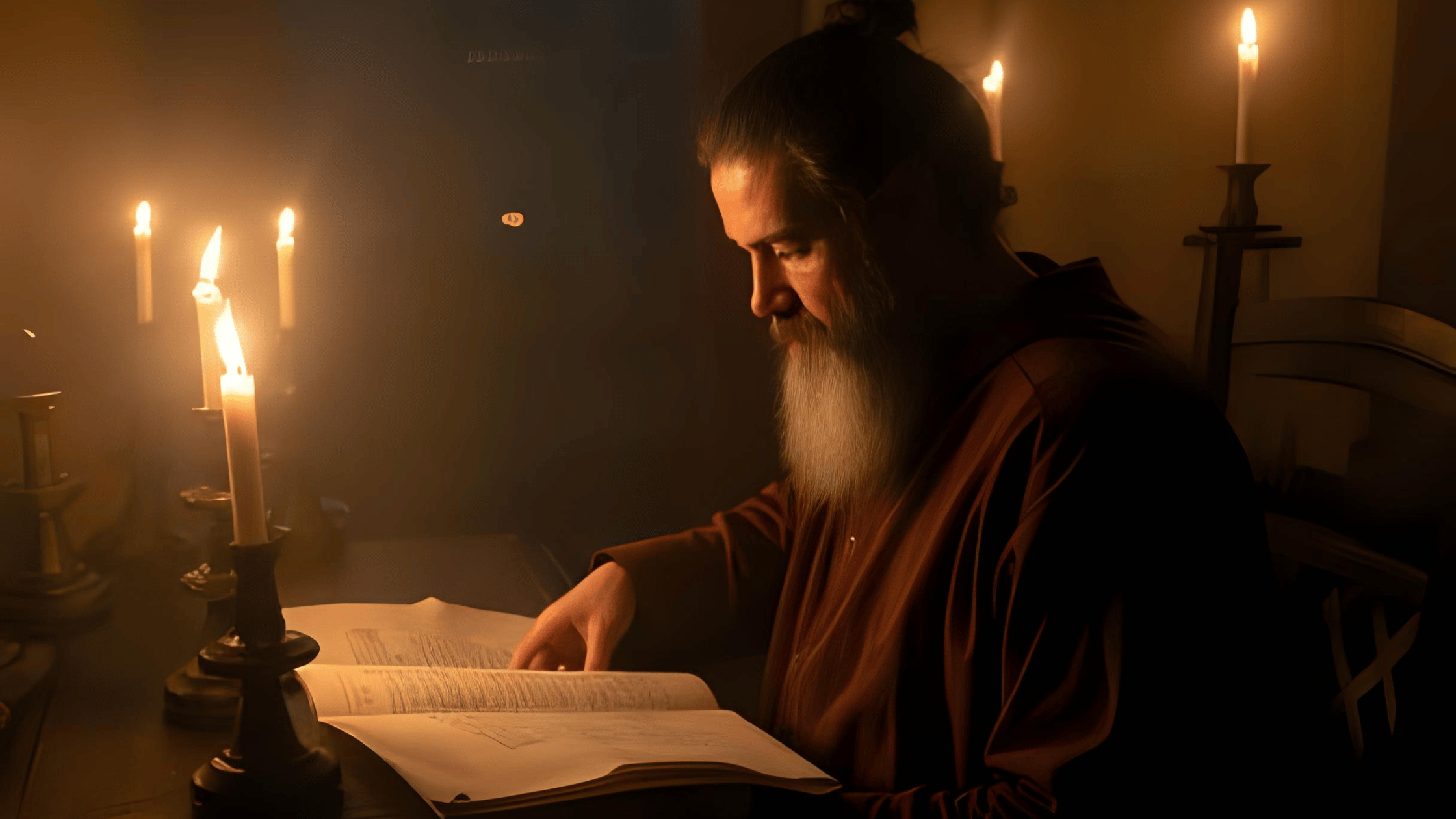
Acts, Apostolic Succession, and the Living Church: Why Tradition Matters
When we read the Book of Acts, it’s impossible to miss the clear picture of a church in action: apostles teaching, councils forming, leaders appointed, and communities organized. For Catholics, this is not just history — it is the blueprint for how Christ intended His Church to operate.
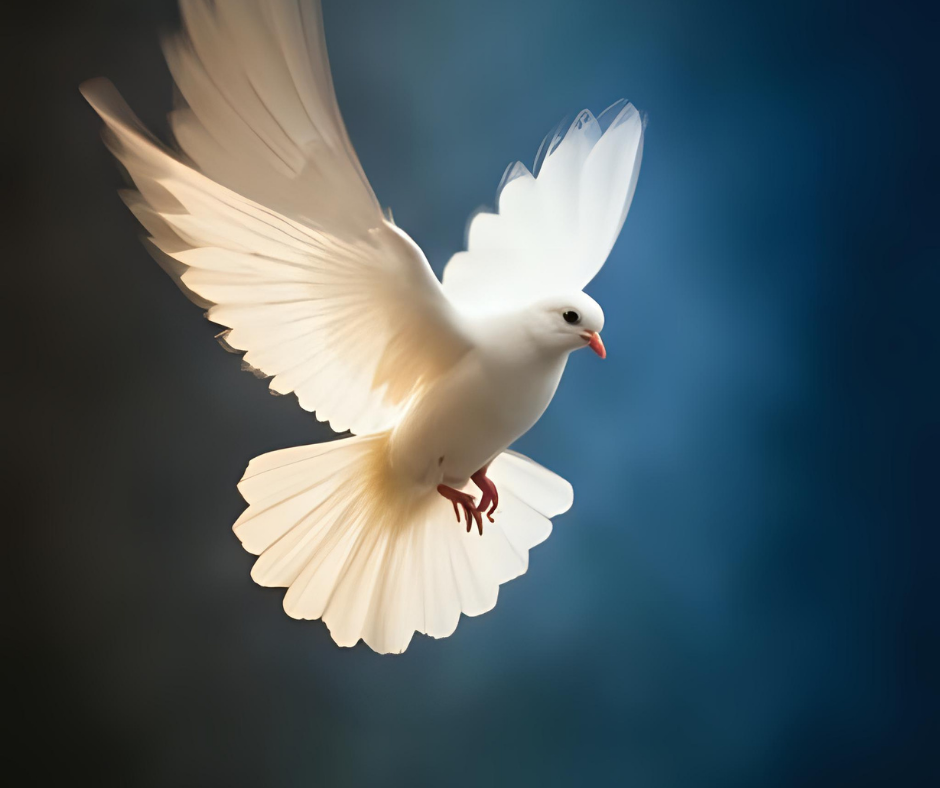
When “Holy Experiences” Start to Replace the Holy Spirit
Every so often within a Catholic group, a new tone begins to creep in — not loudly, not maliciously, but softly, like a shift in the wind. Someone begins sharing “holy experiences,” dramatic moments of the Spirit supposedly moving at retreats, conferences, or in prayer. At first it sounds harmless. Sometimes it even sounds inspiring.
But then something begins to feel off.

When Signs Become Substitutes: A Catholic Battle Plan Against Spiritual Deception
Today, people talk about “finding feathers,” “seeing signs,” “receiving messages,” or “the universe sending signals.” But Catholic teaching — and the saints who fought real spiritual battles — warn us that these curiosities can become traps.

When Zeal Isn’t Holiness: Discerning True Catholic Renewal in a Noisy Culture
Over the past few years, American culture has shifted in a strange way. I keep noticing people — especially far-right voices, influencers, and commentators — suddenly talking about Catholic devotions like the Holy Face, Fatima, the Rosary, or “end times.” Some of it feels sincere… but some of it feels off.
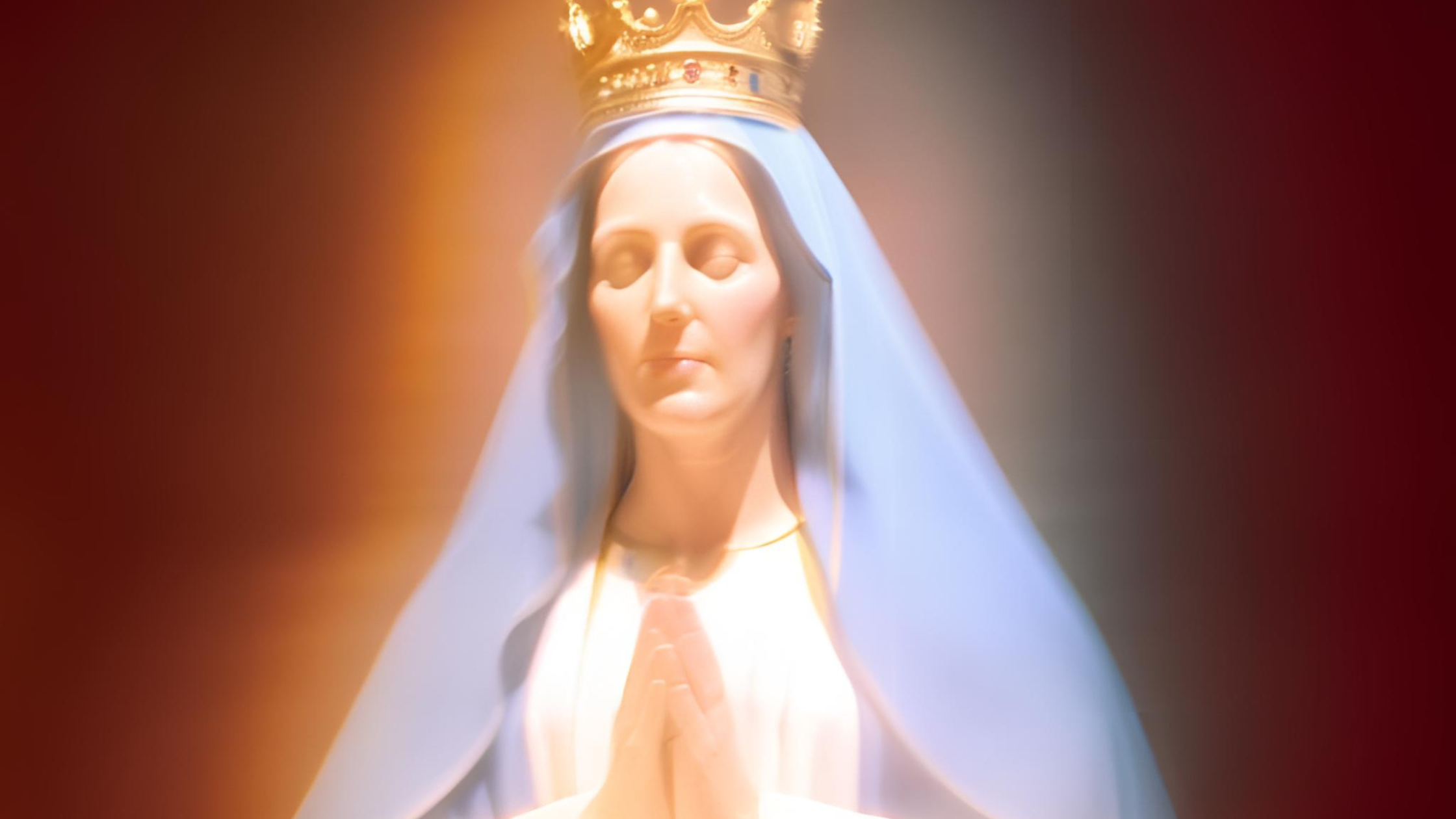
“My Dove, My Perfect One”: How Canticle of Canticles 6:9 Reveals the Beauty of Mary
There is a moment in Scripture where poetry rises so high that it seems to touch heaven. A line so tender, so exalted, that the Church has always heard in it the echo of a woman unlike any other:
“One is my dove, my perfect one is but one,
She is the only one of her mother;
The daughters saw her and declared her blessed.”
— Canticle of Canticles 6:9
On the surface, the Song of Songs is a love poem between bridegroom and bride. But in the Catholic heart, guided by the saints and the liturgy, this verse unfolds into a luminous portrait of Mary, the Mother of God, the Mother of the Church, and the masterpiece of God’s love.