
From Creator, to Lord, to Father: My Journey Through the Dark Night into Sonship
There are seasons in the spiritual life where God feels near, and seasons where He feels silent. There are moments when faith feels like fire, and moments when it feels like ashes. But sometimes—very quietly—God is not abandoning; He is transforming.
As I’ve been learning more about the teaching of the Dark Night of the Soul, something in me has begun to make sense. Not in the mind alone, but in the heart. I can look back now and see a pattern I didn’t notice before: the way God slowly revealed Himself to me in stages. Not because He changed, but because I did.
What began as a cry to a distant Creator became a relationship with a saving Lord. And now, almost unexpectedly, it has become a whisper in my soul: “Say Father.”
This blog is that story.
When Zeal Turns into Noise: What 1 Kings 19 Taught Me About Pride and the Quiet of God
There are days when the air itself feels different — when grace settles on things that once were chaotic. Today was one of those days. And inside that peace, I felt something unsettling: a nervousness, like I didn’t know how to function without the fight.
That’s when 1 Kings 19 hit me hard. And even more — Jesus’ own disciples mirrored the same pattern.
Elijah’s Zeal — and the Subtle Pride Behind “I Alone Am Left”

“When the Storm Isn’t Mine Anymore: Reaching for Christ in Co-Parenting Chaos”
There are seasons in co-parenting when the emotional weather changes without warning. Plans shift, promises wobble, people you depend on become unpredictable, and suddenly your week becomes a moving target. For years, that unpredictability triggered resentment in me — a reflex born from feeling responsible for everything yet powerless to change anything.
But something different happened recently.
The storm came — same patterns, same chaos — yet I felt something I haven’t felt before:
I wasn’t drowning in it.
I was near the storm… but not in it.

Praying Through Time: How God Holds Every Moment
There are moments when a memory surfaces—a childhood photo, a glimpse of your son when he was small, an image of yourself as a baby—and something deep stirs. Not nostalgia. Not sentimentality. An invitation. In the Catholic imagination, these moments aren’t accidents of emotion. They are doorways. God uses memory the way He uses Scripture, icons, sacrament, and suffering: as instruments to pull the heart toward Him. This is the mystery of praying through time.

Why God Gives Us Greatness in a World That Breaks Us
Psalm 106 shakes us because it shows the fragility of the human heart. Israel saw the Red Sea split, manna fall from heaven, and the mountain tremble with the presence of God — and yet they built a golden calf within days. A people rescued by miracles collapsed under impatience.
It’s easy to look at that story and feel disgust: How could they fall so fast? How could they replace God so easily after everything He did? But the truth is deeper and more uncomfortable: they are us. Their story is the blueprint for the human condition — and for God’s mercy.
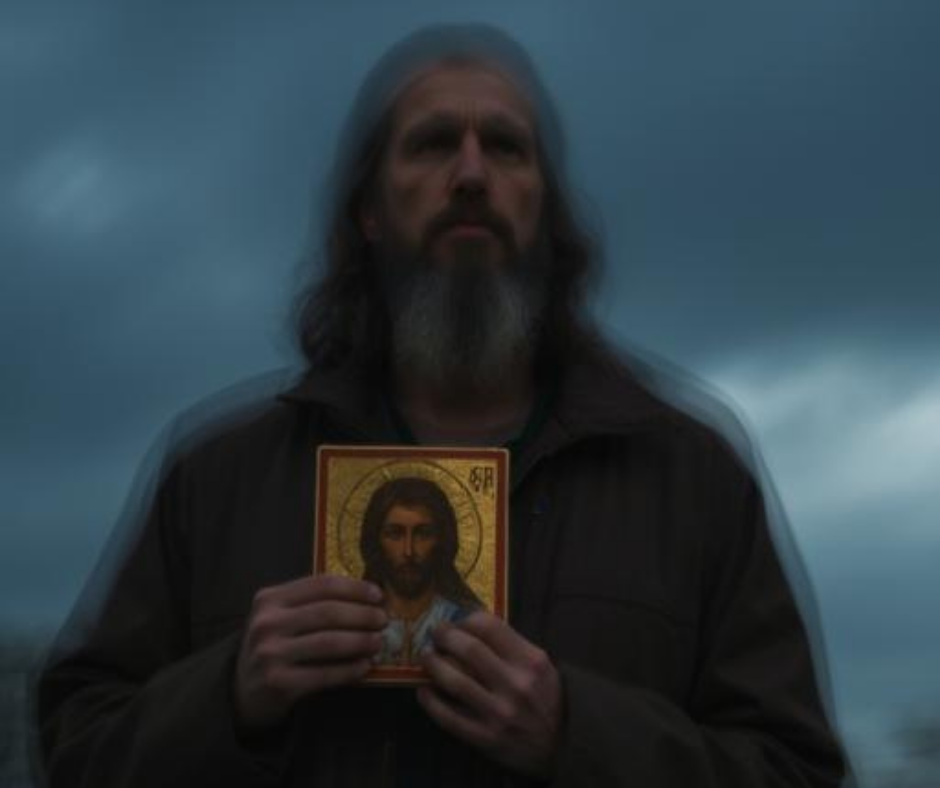
Reflection — Optional Memorial of Saint John of Damascus, Priest and Doctor of the Church
Saint John of Damascus stands at a decisive crossroads in the life of the Church: a time when images were under attack, tradition was questioned, and clarity was desperately needed. He did not respond with noise or outrage. He responded with reason, faith, and courage—a rare combination that still instructs us today.
Living under Muslim rule in the 8th century, John was not protected by imperial favor or ecclesial power. In fact, his defense of sacred images during the Iconoclast Controversy placed him at great personal risk. Yet from his monastery at Mar Saba, he articulated one of the Church’s most important theological truths:
Because the Word became flesh, matter can now mediate grace.
This is the heart of John’s witness. He did not argue that images replace God—but that they proclaim the Incarnation. If God truly entered history, took on a human face, walked the earth, then portraying Him is not idolatry—it is confession.
Zeal, Fatherhood, and the Slow Purification of the Soul
There is a pattern in Scripture—a rhythm God uses to form His saints—that we often overlook when we’re in the middle of our own spiritual growth.
God starts us with zeal.
Then He purifies the zeal.
Then He restores it with wisdom, gentleness, and true authority.
You can trace this in Elijah.
You can trace it in the Apostles.
You can trace it in Jesus Himself.